How to Inspect for Hidden Moisture in Your Clarksville Home
Hidden moisture is the silent precursor to mold growth in homes across our region. We’ve seen firsthand how undetected leaks or condensation in attics, basements, and crawl spaces lead to costly remediation. Catching it early saves time, health, and structural integrity.
Why Hidden Moisture Is a Big Deal in Our Climate
Tennessee’s humid subtropical climate means homes here face constant moisture pressure. Warm, moist air meets cooler surfaces, creating condensation—especially in poorly ventilated areas like attics and crawl spaces.
Fort Campbell and Oak Grove homes often battle high indoor humidity from military housing designs or aging infrastructure. Without control, this fuels mold growth within 24–48 hours of water exposure.
Common Signs of Hidden Moisture You Might Miss
Musty odors are the most obvious red flag, but don’t overlook peeling paint, warped baseboards, or discolored drywall. These often point to slow leaks behind walls.
In crawl spaces, efflorescence—white mineral deposits on concrete—signals water moving through masonry. Basements may show rust on metal fixtures or water stains on stored items.
Attics often hide moisture in insulation. Darkened or matted fiberglass, or frost on the underside of roof sheathing in winter, are clear indicators.
Tools of the Trade: What Professionals Use
We rely on moisture meters with pin and pinless modes to detect water in wood, drywall, and subflooring without destructive testing. Thermal imaging cameras reveal temperature differences that indicate hidden leaks.
Hygrometers measure relative humidity, while borescopes let us inspect inside wall cavities. For air quality, we use spore traps to confirm mold presence after moisture is found.
| Tool | Best For | Limitation |
|---|---|---|
| Pin-type moisture meter | Wood, drywall depth readings | Requires surface contact; leaves small holes |
| Pinless moisture meter | Non-destructive scans of surfaces | Less precise for deep moisture |
| Thermal imaging camera | Locating leaks behind walls/ceilings | Can’t see through metal or thick insulation |
| Hygrometer | Measuring air humidity levels | Doesn’t locate water source |
| Borescope | Inspecting wall/ceiling cavities | Limited reach in tight spaces |
Step-by-Step: Where to Look for Hidden Moisture
Start in the attic. Check for roof leaks, improper ventilation, or gaps in vapor barriers. Pay special attention to areas around chimneys, vents, and plumbing stacks.
Move to basements and crawl spaces. Look for standing water, damp insulation, or missing vapor barriers. In Oak Grove and Springfield, older homes often lack proper grading, leading to groundwater seepage.
Inspect walls and ceilings for stains, bubbles in paint, or soft spots. Don’t forget behind appliances, under sinks, and around windows—common leak sources in Clarksville’s seasonal temperature swings.
Use a flashlight at a low angle to spot subtle water stains or discoloration. Mold often grows in the shadowed areas first.
When to Call in a Mold Inspection Professional
If you find visible mold, persistent odors, or moisture levels above 60% in any area, it’s time for a professional mold inspection. We combine visual assessment with air and surface testing to identify spore types and concentrations.
After water damage—from storms, burst pipes, or flooding—immediate inspection is critical. Even if surfaces appear dry, trapped moisture in wall cavities or under flooring can lead to mold in as little as two days.
Disturbing mold without proper containment can spread spores. Never attempt DIY removal for large or toxic mold infestations—leave it to remediation experts.
Preventing Moisture Problems Before They Start
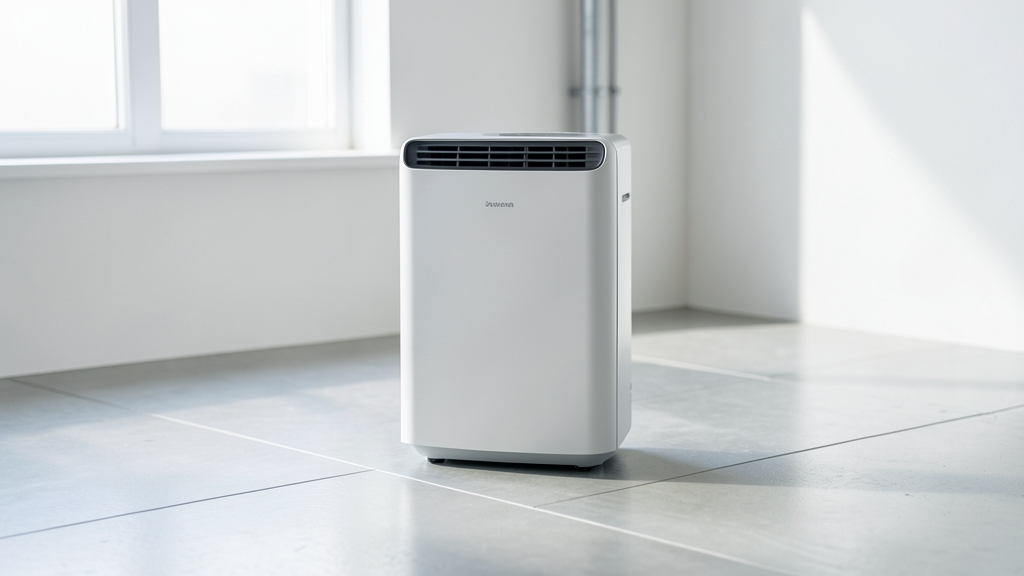
Control humidity with dehumidifiers in basements and crawl spaces, especially during Clarksville’s humid summers. Aim for 30–50% relative humidity indoors.
Ensure proper ventilation in attics, bathrooms, and kitchens. Exhaust fans should vent outside, not into attics—a common mistake in older Dover and Fort Campbell homes.
Grade the soil around your foundation to slope away from the house. Extend downspouts at least 5 feet from the foundation to prevent water pooling.
Moisture Prevention Checklist
- Install and maintain gutter systems with proper downspout extensions
- Use vapor barriers in crawl spaces and basements
- Seal gaps around windows, doors, and utility penetrations
- Service HVAC systems annually to prevent condensation leaks
- Inspect roofs and attics bi-annually for leaks or ventilation issues
The Connection Between Water Damage and Mold Remediation
Water damage restoration and mold remediation often go hand-in-hand. If you’ve experienced flooding or leaks, drying the area isn’t enough—you must address the source and any existing mold.
Our team uses HEPA vacuums, air scrubbers, and antimicrobial treatments to remove mold safely. For severe cases, containment barriers and negative air pressure prevent spore spread during remediation.
How to Conduct a Basic Moisture Inspection at Home
You don’t need professional tools to spot early warning signs of hidden moisture.
- 1Gather supplies
Use a flashlight, screwdriver (for gentle probing), and a notebook to record findings. A cheap hygrometer from a hardware store helps track humidity.
- 2Check for visual clues
Look for water stains, peeling paint, or warped materials in attics, basements, and around windows. Note any musty odors.
- 3Inspect plumbing and appliances
Examine under sinks, behind washing machines, and around water heaters for leaks or condensation. Pay attention to hoses and connections.
- 4Test hidden areas
Use the screwdriver to gently probe baseboards, drywall, or subflooring in suspect areas. Soft or crumbling material indicates moisture damage.
- 5Monitor humidity
Place the hygrometer in different rooms, especially basements and crawl spaces. Readings above 60% warrant further investigation.
- 6Document and act
Record all findings with photos and notes. If you detect moisture, address the source immediately and consider a professional inspection.
Frequently Asked Questions
How often should I inspect my Clarksville home for hidden moisture?
We recommend a thorough inspection at least twice a year—spring and fall—to catch seasonal issues. After heavy storms or flooding, check immediately. Homes near Fort Campbell or in low-lying areas may need more frequent checks.
Can hidden moisture cause structural damage?
Absolutely. Prolonged moisture weakens wood framing, drywall, and even concrete over time. It can also attract pests like termites, which thrive in damp environments. Early detection prevents costly repairs.
What’s the difference between mold testing and mold inspection?
A mold inspection is a visual and physical assessment of your property for signs of mold and moisture. Mold testing involves collecting air or surface samples to identify spore types and concentrations, often used to confirm inspection findings.
Are there areas in my home more prone to hidden moisture?
Yes. Attics, basements, crawl spaces, and bathrooms are high-risk zones. In Clarksville, poorly ventilated attics and crawl spaces without vapor barriers are particularly vulnerable due to our humid climate.
Is hidden moisture covered by homeowners insurance?
It depends on the cause. Sudden and accidental water damage (e.g., burst pipes) is often covered, but gradual damage from poor maintenance or humidity usually isn’t. Review your policy and document any damage thoroughly.
How do I know if my moisture problem requires professional remediation?
If you find mold covering more than 10 square feet, or if moisture is in hard-to-reach areas like inside walls, it’s best to call professionals. We have the tools and expertise to safely and effectively address the issue.